VB has achieved Level 3 on the CO₂ Performance Ladder
Sustainability is central at VB, which means we also critically examine our own CO₂ emissions.
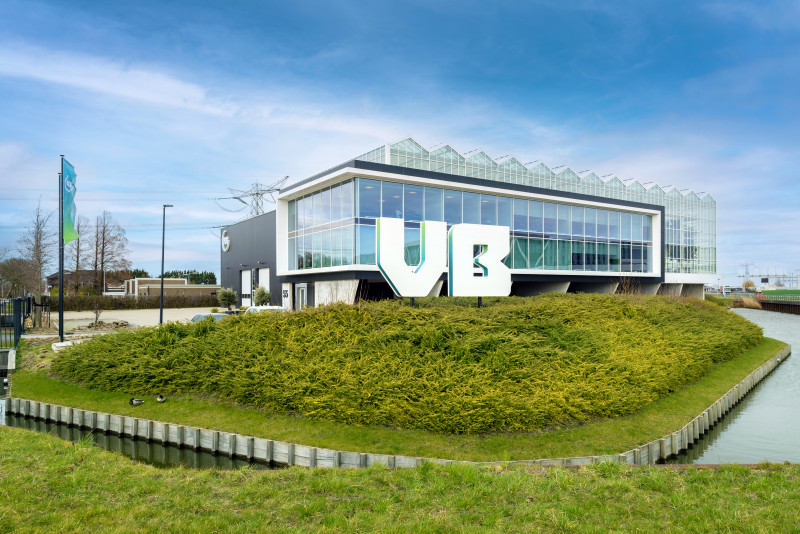
VB specializes in delivering and installing heat pumps for commercial greenhouses.
With rising energy costs and stricter sustainability targets in the United States, heat pumps offer growers a highly efficient and future-proof alternative to gas-fired heating systems. Sustainable heating for commercial greenhouses. A future-proof alternative to gas-fired systems. Contact our energy expert and request a quote!
VB builds on more than 50 years of experience in heating systems and heat networks. A heat pump extracts energy from natural sources and converts it into usable heat for greenhouse operations. Unlike a gas boiler that converts one unit of gas into roughly one unit of heat, a heat pump delivers 3 to 5 units of heat per unit of electricity.
For U.S. greenhouse growers, this results in:
VB delivers and installs heat pumps as main heating or in hybrid setups. Check out our related energy solutions below.
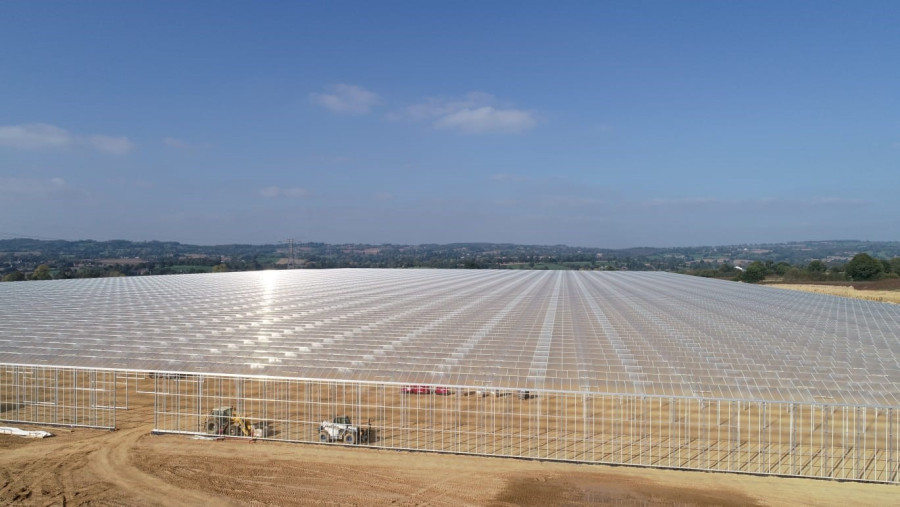
VB built the largest heat storage tank in the USA, supplying heat to current and future phases
Site: 11.3 hectares (27 acres), tomatoes year-round
Delivered: heating systems, CO₂ systems, heat storage tank
The heat storage tank holds 10,000,000 liters of water and is designed to supply heat to the current greenhouse and future expansion up to 25 hectares (62 acres).
Check out the details behind the Intergrow story. VB also realised major sustainable greenhouse projects for horticulture in the U.S.


A heat pump extracts energy from natural sources and converts it into usable heat for greenhouse operations. Air-to-water heat pumps capture heat from the outside air, water-to-water heat pumps extract energy from groundwater or surface water. Both deliver a stable source of renewable heat, often combined with cold storage or aquifer thermal energy storage (ATES) for maximum efficiency.
A gas boiler converts one unit of gas into roughly one unit of heat. A heat pump delivers 3 to 5 units of heat per unit of electricity. This results in lower energy costs, significant CO₂ reduction and the option to integrate renewable energy such as solar power and geothermal sources.
The required heating capacity depends on the crop and desired climate conditions. As an indication: for a 1-hectare greenhouse in a moderate climate such as Oregon's, the average heating demand ranges from 800 to 1,200 kW. VB always performs a detailed calculation based on insulation, screening systems, greenhouse orientation, and crop planning. By combining precise sizing with buffering and smart control systems, the efficiency and performance of the heat pump are maximized.
Both. In moderate climates, heat pumps can often serve as the main heating source. In colder regions, combining a heat pump with a gas boiler or geothermal energy source provides the most reliable solution, ensuring continuous heating while keeping fossil fuel use to a minimum.
Yes. Heat produced by the pump is stored in a buffer tank and distributed through the existing pipe heating network. This allows the system to handle peak demand without forcing the heat pump to run continuously at full load, which extends its lifespan and improves overall efficiency.