VB has achieved Level 3 on the CO₂ Performance Ladder
Sustainability is central at VB, which means we also critically examine our own CO₂ emissions.
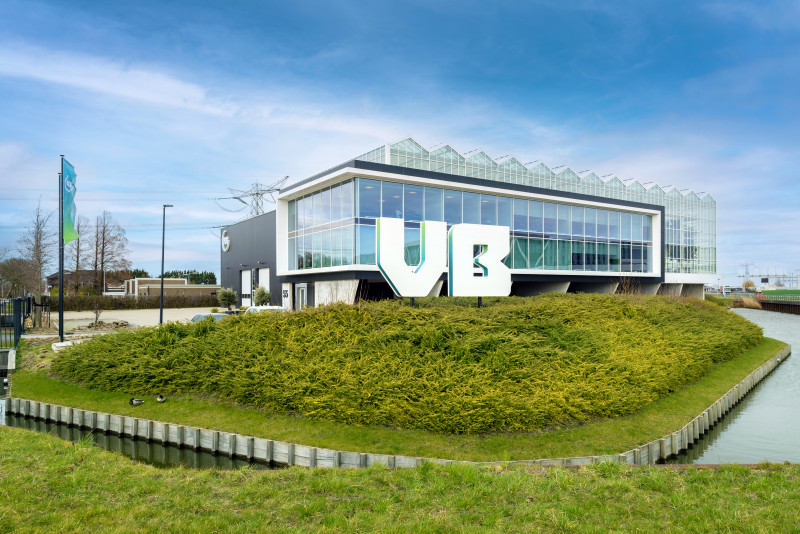
Reliable heating for high-tech greenhouses. Consistent heat, climate stability and CO₂ for plant growth.
Reliable heating is essential for high-tech greenhouses, especially in regions of the United States with colder winters. The boiler burns gas in a heat exchanger, heating water that circulates through pipes in the greenhouse. Excess heat can be stored in a buffer tank for use when demand is higher. Boilers can also supply CO₂ from flue gases to enhance crop growth.
VB's boilers integrate seamlessly with heat buffers, pipe heating, air-handling systems, and climate computers.
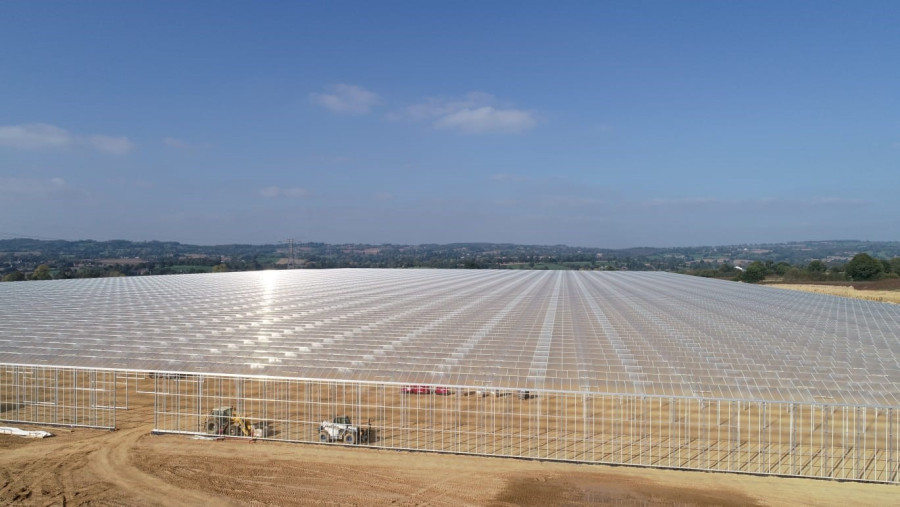
VB delivered the heating systems, CO₂ systems and the largets heat storage tank in the USA
Size: 11.3 hectares (27 acres), tomatoes year-round
Delivered: heating systems, CO₂ systems, heat storage tank
The heat storage tank holds 10,000,000 liters of water and supplies heat to the current greenhouse and future expansion up to 25 hectares (62 acres).
Check out the details behind the Intergrow story. VB also realised other major sustainable energy projects throughout the U.S.


A greenhouse boiler is a heating system that generates heat by burning a fuel, usually natural gas or biogas. The heat is used for pipe heating, air heating, or storage in a buffer tank. In addition to providing heat, boilers can supply CO₂ from flue gases to enhance crop growth.
Condensing boilers generally offer the highest efficiency, up to 109%, by recovering latent heat from flue gases. Combined with heat buffers and advanced controls, they can significantly reduce energy costs. For sustainable projects, a hybrid setup combining a boiler with a heat pump may be the most efficient choice.
Boiler capacity depends on greenhouse surface, insulation, crop type, and climate. For a 1-hectare greenhouse, heating demand typically ranges from 800 to 1,200 kW. VB always performs a detailed heat balance calculation to determine the ideal capacity and system configuration.
For standard greenhouse projects, installation takes about 8 to 12 weeks. For larger or more complex projects, timelines may extend depending on system integration.
Yes. Boilers can supply CO₂ from flue gases, which can be reused for crop enrichment. This is one of the key benefits of a boiler installation alongside consistent heat supply and lower investment costs compared to alternative heating systems.